Monday, 4 April 2016

Evaluation - Question 3 - Sam McLeish

Question 3: What kind of media institution might distribute your media product and why?

When it comes to distributing a low-budget thriller, produced by a independent film company, you have two choices after the film's production;
  1. Have the film distributed for you through an independent film distribution company. - They are more likely to secure a exhibitors screen at a independent cinema.
  2. Distribute the film yourself via modern platforms for home viewing - i.e. DVD, TV, On Demand, YouTube, Vimeo ect.

Analogue to the Digital Age 

Post-2000 Data compiled from
http://www.launchingfilms.com/research-databank/ 
Pre-2000 Data compiled from
http://www.launchingfilms.com/research-databank/uk-cinema-admissions
Since the beginning of this century, the way that films have been delivered to their audience has changed significantly. Previously, before the rise of streaming on the Internet, the main place for an audience to watch films was at the cinema. For example, as shown in the graph, the overall attendance at the cinema has never been consistent after 2000, despite the fact that this is back on the rise. This is in comparison to before the economic slump of the 1980s where attendance at the cinema was at an all time high. These results are significant because it shows that how an audience will watch a film has significantly changed prior to the millennium. However, what should be noted is that cinema attendance is now on the increase, meaning that the cinema is in no way an outmoded medium. 

Netflix's daily consumption has increased
since 2009, showing the rise of popularity
VCR sales pre-millennium
However, the main other way that an audience would be able to watch a film was through home viewing. Due to the format war between Sony's Betamax and JVC's VHS, regardless of which system you used, you were now able to watch films at home in comparison to waiting for a film on one of the three TV channels. This concept has been carried into the modern day through the use of Video on Demand (VOD) services on platforms like Sky and Virgin Media, in which an audience will be able to download the content, or through streaming platforms such as Netflix or Amazon Prime. This has proven to be a success because even though VOD films will not arrive to the audience until six months after the release in the cinemas, it is clear that an audience will prefer not to pay extra for the film because it comes out of their TV package. Finally, the audience would be able to own the IP of the film if they bought the hard copy DVD/Blu-ray of it but this isn't the case for streaming platforms because you're viewing it with the producers permission without directly buying the content. For example, if a service offers a download option, it is in the producer's right to delete the content after it has expired. This is then revolutionary because it is shown that the IP doesn't belong to the audience after the content has been viewed. This is why these modern platforms are more accepted by newer companies because it reaches their audience in a way that ensures their content is secure, which is the method I would prefer to use.

Cinemas


Cineworld
Cineworld
Odeon
Screenings at Vue
The main issue with cinemas is that the mainstream franchises, such as Vue, Odeon and Cineworld are highly unlikely to screen small-scale independent films. For example, the current films at Cineworld Crawley are all from large-scale production companies and do not feature any independent films. This is the same for Vue on the Purley Way in Croydon and the Odeon in Brighton. All of these brands do have 'Event Theatre', but they only focus on broadcasting plays from theatre production companies. This means that it is highly unlikely, if not impossible, for a small-scale theatre production company to get their film into a mainstream cinema.


https://www.picturehouses.com/cinema
/Duke_Of_Yorks/Whats_On?filter=Seasons%2C%20Festivals%20%26%20Events
However, it is not impossible for a small scale company to get into a independent cinema. For example, The Duke of York's cinema in Brighton is offering to show films in co-operation with the Brighton Festival. Film Festivals are a good way for independent producers to get their films out to an audience but the problem is that if it's not ready for then, it wouldn't be broadcasted at any other time in the year. Therefore, it would still be good if our film was given to the audience at one of these events, but it would be time dependant.

Distributing the film


If a small production company chose to advertise with an independent company, it eases the workload off of themselves. This is done through licensing, where the producing company will allow for the distributor to use the film in order for financial return. This means that the producer will get a percentage of the total revenue but there is still a chance that neither parties will make any money because the film could be a failure. A film distributor on this scale is more likely to get the film exhibited at a film fest or an independent cinema, as shown above. 
Axiom Film's logo

If I was to choose a distributor, it would be Axiom Films. This is because "Axiom has steadily built a reputation for taking creative risks, working with new talent and original ideas" which shows that they have experience with other companies in our situation. The company further boasts "each film project that the company has been involved with has been both a critical and commercial success, frequently winning awards, sold for distribution in most key markets and, without exception, selected to screen at the major international film festivals". I feel that this would be effective because it would allow for our audience to connect easier with the content because they are more likely to get into a film festival. This then provides the film with publicity which is needed in order for it to be a success. 


The technological revolution; YouTube, Vimeo and distributing yourself

Since the rise of YouTube and it's creation in 2005, the social media platform has allowed for small, independent producers to spread their films for no money and gives them the chance to make money. This is unique because it cuts out the middle man of hiring an distribution agency and then saves your company money, which would be needed for a independent film because it is likely that they'll have a tight budget. 


YouTube Vs Vimeo
Advertising on YouTube is what makes you money; "Users will probably watch at least 30 seconds of your video. YouTube tallies up the revenue they make from ads (before the video and banner ads), and then splits that profit with you. Thirty seconds of the video doesn't make you any money, but 30 seconds of a preroll advertisement will". Although this principle is a good one, it is a risk because if the film flops and the channel doesn't receive many viewers, you are under no guarantee to make money. Also, a channel needs around 1,000 subscribers before YouTube will offer you any money so if your channel is empty, even if it has lots of attention, you will make nothing. Therefore, although YouTube can allow for a company to make money, it is a risky venture and it could be the cost of the business. 

However, a more underrated platform that is also used in the industry is Vimeo. The main difference between the two is that Vimeo works on a pay-monthly basis rather than adverts. This then allows the user to make money regardless of amount of viewers and is therefore better than YouTube. Also, Vimeo's "modest size creates an intimate and fully engaged community. It's a network of people who are genuinely interested in film quality, too, so you know your work is being seen by people who will appreciate it". This is useful for a small film company because they can then use what they've learnt from professionals, apply it to their next project and then hopefully make more money as it would be of higher quality.


Out of the two platforms, I would most likely use Vimeo because it guarantees you money if you have already have a fanbase who are willing to pay to view your content. The issue is, however, if it is possible to engage with a new audience; the film will most likely fail if no one is willing to pay to watch it because if it's your first film, your audience may not want to pay if they feel that it could be a waste of money. Therefore, each platform is not without risk for a small company, it just depends on if you have been successful or not beforehand with previous content. 


Conclusion


In my opinion, regardless of what you choose, you always run the risk of your film not being a success. That is why I would personally hire a small distribution company to distribute the film because they would have experience. As a small film company, it would be too risky to do it yourself, although it has been proven to work, but with a distribution company they are more likely to have useful contacts, despite the cost to a possibly tight budget.

Friday, 1 April 2016

Evaluation: Question 3-Jess Smith

Question 3: What kind of media institution might distribute your media product and why?


We have produced a low budget thriller film as independent, British film production company and because of this thriller not being a big blockbuster, made by Warner Brothers, for example, it means the distribution would be most likely through digital viewing, instead of traditional. But popular, American production companies such as Paramount (figure 1), Universal (figure 2), Pixar (figure 3) and Disney (figure 4 and gif 4) would always be distributing their high budget film in cinema's, as it would allow a larger revenue to be made.

Similar to the films made by British film production companies, such as Aardman Animations (figure 5), Baby Cow Productions (figure 6) and Big Talk Productions (figure 7). 
Figure 1


Figure 5


Figure 2


Figure 6


Figure 3

Figure 7


Figure 4


Gif 4

Because of the shift in technology throughout the last years more consumers are becoming producers and making low-budget films, due to the easy access we have to smart phones with good quality camera's and other cheap camera's, also producing good quality. 

There are now many different ways to distribute films, especially those made on a low budget as more film exhibitions, such as galleries and small, independent cinema's are welcoming to these types of films. Larger, mainstream cinema's, such as the Odean, Vue or Cineworld also sometimes allow independent films to be shown but on their smallest screen at less popular times in the day for customers, therefore targeting your film at an independent cinema would be better as they would more accepting. 


Film exhibition had changed and developed, from the Analogue age to the Digital age. However production companies still have two choices, one being to have their film distributed by an independent film distribution company. This type will included licensing (the distribute is given legal rights to exploit the film by the film production company, in return for money) and the production company will be advertising the film, therefore it is a big risk, as it is unknown whether it will generate an audience and money and the cuts will split between the distribution company and the production company.

Independent film distribution companies in the UK are usually managed by Indie distributors and one example of this would be Metrodome. They began in 1995 as a private company and are a "ambitious film group" that hope to become the largest rights management group in the UK and are capable of this as they have many small companies targeting different types of film within the company. They have distributed many films from comedies, thrillers, horror, action, documentary, war and Asian. The full list can be found at their website: 

http://www.distribution.metrodomegroup.com/catalogue?title=&field_director_value=&field_genre_value=7

Or the production company could chose the less traditional way and distribute their film themselves and take advantage of the wide range of possibilities in this new 'digital age'. This will mean the production company will allow their film to be watched on YouTube or Vimeo. Money can be easily made by this if advertising is allowed to be on before/during or after the film is streamed and every bit of money made will go straight to the production company. 


Analogue Age: Cinema, TV and DVD
Figure 8


~Audiences are now relying less on their local cinema to display new films as ticket prices are constantly increasing (figure 8) and cinema venues are also decreasing in numbers, therefore less convenient for people, leading to less people going to the cinema (figure 9).


Figure 9
~Film's are also getting shown less on mainstream TV channels and are only every played once, therefore not reliant. 

~DVD sales are also decreasing because of everything becoming digital. 


Digital Age: Phones, Tablets, Smart TV, Consoles YouTube, Sky, BT, Virgin Media, Vimeo, Netflix and Amazon, Lovefilm, plus many more. 

~This method of watching films has now become the most popular because it can be mobile, used by all ages and used on the go, such as on planes, cars and buses or in the comfort of your home and starting with £5.99 per month. 

~Netflix was only released in 2012 in the UK, but has since become very popular as it can be used on Smart TV's, iPad, Mac's, smartphones, and multiple people can use one account. In 2014 3 million British households subscribed to Netflix, which was twice as many as 2013. This shows that more people prefer this viewing experience, in comparison to going to the cinema, therefore it would be your distribution company's aim to get your film on Netflix. 

Due the growth of Broadband throughout the wold, it has enabled more moving image to be downloaded/streamed on mobile devices, anywhere with internet connection. YouTube is seen as such a positive platform for films to premiered on because of it being the 3rd most popular website and with the worldwide audience and the fact that it's it's cost-free. For example, the 93 minute comedy "Time Expired" by Nick Lawrence in 2011 has been viewed 2,000-3,000 times each day and they have earned $3,400 just in revenue from allowing adverts to be shown. 

Microsoft released the Xbox One in 2013 and enabled gamer's to stream movies, TV shows and connect to Netflix if you have an account. Microsoft then said that Xbox Live members were now spending the majority of their time watching TV, music and films on this platform, therefore they modified their dashboard to an 'entertainment hut', to please users. 

Big, blockbuster film will be advertised on large scale markets and this will done by the distributes. But my film will be distributed by an independent company and their budget will be very small. But advertisement using posters and trailers can be produced on a small budget. Or giving out burnt disk's to people in the streets, hiring local, small cinema screens and promoting vire social media. 

Large scale advertising can be done in a range ways, such as:

  • film posters, 
  • billboards,
  • tv/radio/cinema adverts
  • bus posters
  • trailers
  • merchandise,
  • film festivals
  • publicity appearances on talk shows
If I had to pick an independent film distribution company I would choose Curzon Cinema's because they have distributed films with based at the same target audience (15-25) and they have small screens throughout the UK, ensuring it's getting seen by a wider audience and would be more affordable for younger people to go and watch. 

But although this is a good way to distribute my film, I have decided to do it independently, without the 'middle person' and distribute it onto YouTube. This way I will get to a global audience and will be more accessible for my target audience to view, as the website is very popular with students. I will also be able to generate a good amount of revenue from allowing advertisement before or during or after it's show. Social media will pay an important role in promoting my film and burnt DVD disc's will be given out to the public for free to create a hype. I believe this will be the most effective way of getting to my target audience. 


Thursday, 31 March 2016

Evaluation:Question 4-Jess Smith

Question 4: Who would be the audience for your media product?

Our target audience begins from 15 and would end at 25, because we received audience feedback when editing our film and both people said they would rate the thriller at a 12 but wouldn't expect anyone that age to watch it, that was just a basic limit and it would be for teenagers (male or female) from 15 but wouldn't expect anyone over 25. This fits into the average thriller age ratings. 

http://www.slideshare.net/reigatemedia/pearl-and-dean-upcoming-releases-and-traget-audience-This website was very useful when deciding what the set as the target age range because it shows what ages are the most popular with different thrillers and we also used it to give an incite to what other films our target audience enjoy. 


Thrillers such as "Buried" (2010 by Rodrigo Cortes) had figures showing that this film was split almost evenly between males (56%) and female watchers, with 44%. The most popular age group, taking up 41% of the viewers was ranged from 15-24. From this information we saw that thrillers can appeal to both genders and the higher range of teenagers. 


On the other hand, thriller "The Dark Fields" only 20% of watchers were female, whereas the other 80% was all males. But this film did also have mostly people aged from 15-24 watching the movie as the figures showed 55%, whereas the rest were older, from 25-34 with 22%, 36-44 had 13% and 45+ had a smaller 7%. From this we can see that no one under the age of 15 is watching thrillers and not many over the age of 45 are interested either. 


This thriller "Hereafter" (2011 by Clint Eastwood) had more equal ranges from different ages that were watching the film because it began at 15-24 and 25-34, both with 27%, ages between 35-44 had 20% and 45+ with a surprisingly higher 26%. This tells us that this thriller appealed just as much as it did to the younger generation to the older generation. This film was also more popular with male's as 59% of the viewers were male, in comparison with the 41% of females. 

Overall, the analysis of these other thriller films enabled us to see what ages they targeting at and what ages are most popular with this genre, therefore it was very useful. 

Tuesday, 29 March 2016

Evaluation: Question 5-Jess Smith

Question 5: How did you attract/address your audience?

We recorded two people, aged in our target audience who watched our thriller opening. They gave us feedback on what worked well and what didn't work as well during the end of the final editing stages. It was very important to receive this information because it meant we could tweak any little parts that needed adjusting and could ensure our thriller was targeting our chosen demographic. 

Audience Feedback 1: Henry, aged 17

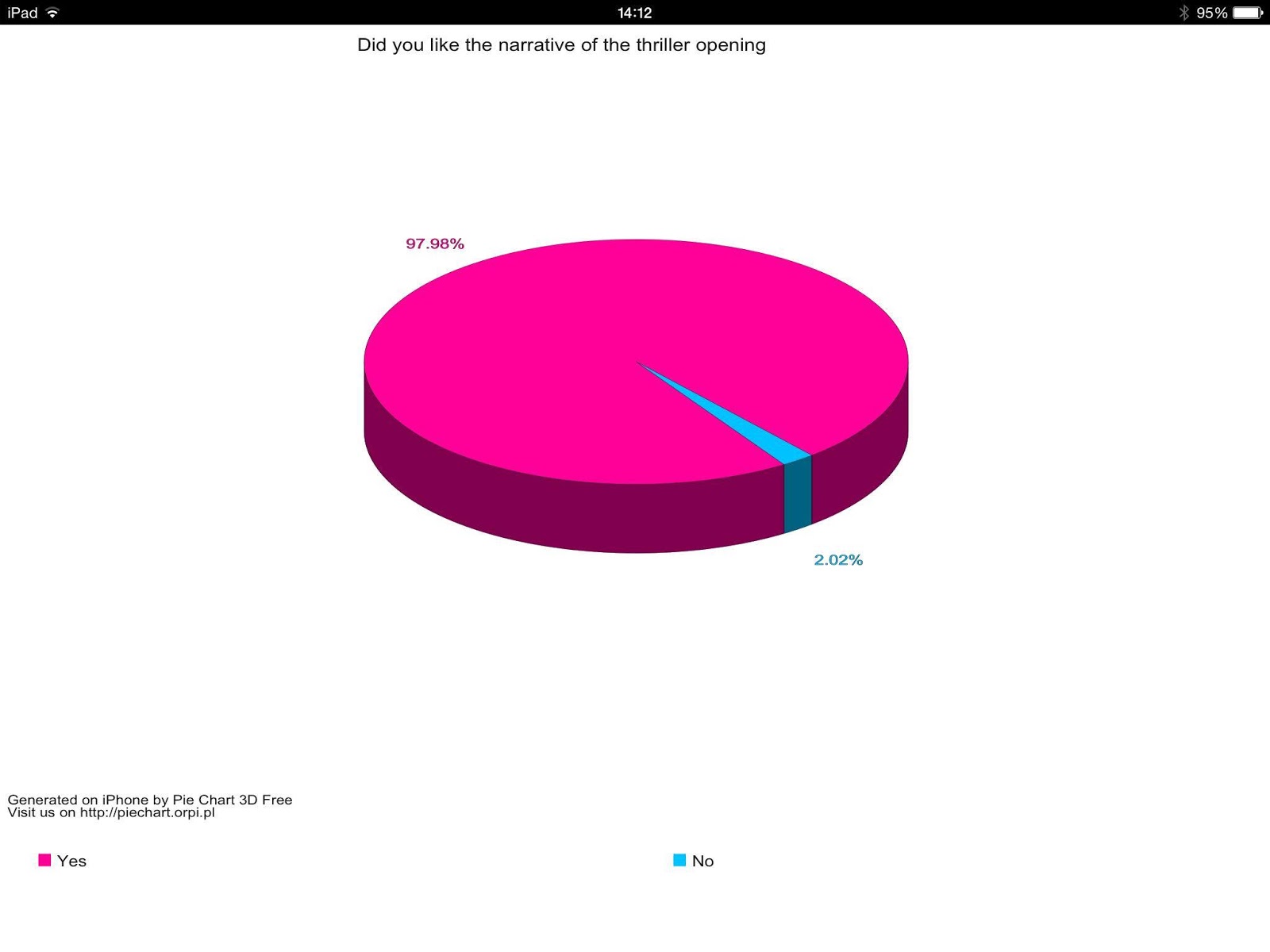
Narrative: This pie chart is displaying the question answered by girls and boys, aged in our target audience, after I asked "Did you like the narrative of the thriller opening". Out of the 20 people I asked, 97.98% of people said yes, whereas 2.02% of them said no. I believe our narrative appealed to this age group because it creates enigma, therefore keeping their close attention but it also has a shocking scene at the end of the opening. 


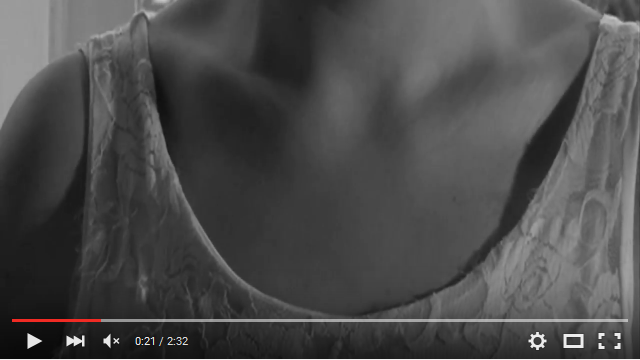
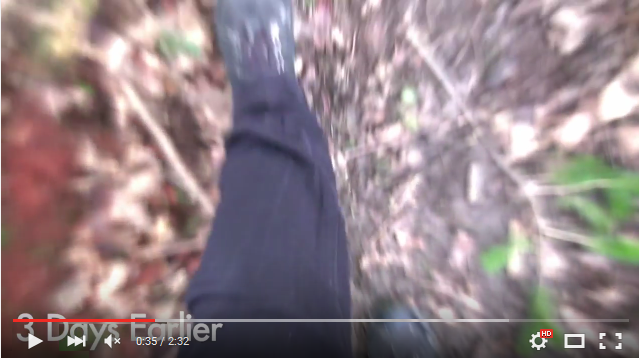
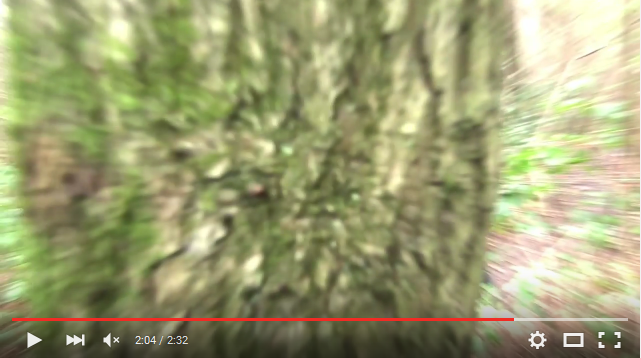
Technical Codes: Henry liked the editing of the moving image effect we added onto the whole of the woods scene as he felt it looked distorted and he said it gave the impression that someone was watching the main character, which was great feedback as that was our aim. He also said the use of the black and white effect in the hall scene represented her fear and feelings of being afraid, making sense with the plot of the thriller. But a negative part of editing was the pace of the beginning and middle of the opening which he felt was very slow, but liked it when the pace increased at lot at the end, therefore we cut some middle shots down to avoid boring viewers. 

We showed the opening draft to this audience member before adding the voice over and with a different soundtrack to our final one. We changed the soundtrack because he felt it was very calm, mellow and towards the end was still slow, therefore distracted from the story line. We also felt that the sound would be an issue, so it was very useful he confirmed our fears and we were then happy to change it for something that would fit better for the thriller genre. 

Character: He thought the character's feelings and expressions were told through the black and white effect throughout the hall scene. Female's aged in our target audience might be more understanding of this story line as it deals with stalker issues, which many girls are a victim of nowadays, whether its online or actually in person, whereas less male's are victims of this as girls are stereo typically seen as more vulnerable and easier targets. However some male's are also victim's, therefore our character can relate to them and the audience will be interested to see how they handled, dressed the difficult situation. 

Themes: This opening doesn't give much of an incite to the rest of the film because it isn't clear whether the film will continue on in the present of the past. However it's clear to see that themes of vulnerability, fear, hurt and evil are all going to be included in the whole of the film. The viewer also said he would recommend the film as he can imagine it continuing on to be a good film, which is very positive. 
Audience Feedback 2: Melissa, aged 17
Narrative: She liked the fact that there was two different locations to show the story in and thought each one came across well on camera. 

Technical Codes: She enjoyed the contrast between the black and white to the full colour between the two locations. She also liked the clear image throughout the hall scene against the blurred effect in the woods scene.  She also thought the majority of the opening was set at a very slow pace but it worked well in contrast with the faster, shocking ending. 

After receiving Henry's feedback, we removed the soundtrack and didn't add another one until we'd shown the opening to Melissa and so we asked her how she thought the soundtrack could reflect the ideas presented in the film and she gave us helpful feedback when saying to not "overdo it" and keep it simple. She thought having upbeat music wouldn't work with the story line, therefore a slower, yet still edgy paced soundtrack would be effective. 

Our audience feedback was vital for addressing our target audience as they knew what the audifence would like/dislike. 

Thursday, 24 March 2016

EVALUATION Q1 By Maria Beardall

In what ways does your media product use, develop or challenge forms and conventions of real media products?

OPENING SCENES:

Our film company logo
Starts of from a fade in from white
Depth of field/pull focus shot whilst out of focus
To it now being in focus
ECU of eye
ECU of mouth
CU of chest, all three above shots to emphasize breathing
Final close up in dream state before
change in soundtrack and cut to titles
Company name in title font, to left to deviate always being central
Birds eye shot POV shot, also has super imposed
writing in same place as previous titles
Shot of Eliza walking from a distance
Steadicam created shakiness whilst she walks
 to show presence of another unseen character
First Match On Action shot
Pan/POV shot of sky
Second Match On Action shot

Mid shot of Eliza's face to highlight facial expressions
Canted, low angle shot to show disorientation
Start of pan of arm
End of pan down arm to show tension in fist

Long shot
Cross dissolve from long shot to show
time has passed whilst she has been captive
POV shakey shot
OTS shot

Long shot to show nervousness
Match On Action to show removal of
earphones - Eliza has realized something is wrong
Mid shot to show she is scared from her movement of her head

POV shot to show presence is still there
Tension rises as clear antagonist is hiding 
Start of pan down arm
End of pan down arm - similar to one in hall to
show feelings are remembered and fresh

Mid shot
Faster, more panicked pan POV in sky
CU to show feelings and tension heightens

POV as suspense is almost over

CU of her face to show it is too late
Cut to titles and fades to black to dramatize it


CONVENTION - ENIGMA:

Enigma is a convention in Media that keeps the audience guessing and actively viewing the film as they are constantly asking questions about the film; with questions left unanswered they will feel curious and generally intrigued they will have more interest in the film and finding out. Our Final Piece uses this convention as the whereabouts, what has actually happened to the main character Eliza and who the antagonist is are unanswered in the opening. We deliberately created these enigma codes that other thriller films have done, such as Kill Bill - where questions such as why the woman is on the floor, what has happened to her, who by and who the other unseen person in the room is etc. spring to mind. We wanted the opening to really grab the audience and keep them attentive, and attract any potential viewers with this generic convention that will promise them an interesting and on edge film. The opening of our thriller film never shows what has happened for Eliza to be in the hall, and only the hand of the suspected antagonist is seen - cleverly done to be left answered later and keep the audience excited for the whole film as the suspense rises.

(EARLIER ANALYSIS FROM KILL BILL)


'The shot then cuts to a CU tracking shot of a man's black shoes as he walks, and the footsteps and her voice are the main diegetic sounds to be heard with an eerie echo - the footsteps sound imposing and very threatening to the victim, giving the unknown status. This is also given as she is on the floor and he is standing, telling the audience he is strong whilst she is weak. The abuser of her is not revealed and seemingly dangerous, making this scene tense and focused. This creates suspense in case he will be revealed, but the later shots show he is hidden apart from his name.'

CONVENTION - RESTRICTED NARRATION:

Restricted narration has a similar purpose to enigma coding (at least in the sense we used it for), as we did not let the audience know the whole story line of the film - they knew less than the main character Eliza. This ties in with enigma coding, the restricted narration is used to not tell the audience everything and keep them wanting to know more. It also makes the whole piece much more thrilling and keeps the audience on edge. This convention has been used in The Bourne Identity, where the opening is without context as a man falls from a sky - the audience know as much as the fisherman do when they board him onto the ship to help him, yet in our opening the audience know as much as Eliza begins to tell them and as they see in a flashback, they have to begin to piece together what has happened themselves which makes the opening much more interactive and memorable. It is also seen in The Usual Suspects where the antagonist is unknown until the end whilst he tortures his victims. That is how in our opening we developed using restricted narration; the audience (at the beginning) know as much as they learn - and therefore enigma comes into play when they want to know more and begin to ask questions from the little information they can gather.

(EARLIER ANALYSIS FROM THE BOURNE IDENTITY)


'When the lightening flashes there can be a body seen - and currently the audience have an objective view compared to the crew, yet there is no reference to where he has appeared from in the opening scenes.'

'There is a CU cut to the hand of the body, still not completely seen to create suspense and longing anticipation to find out who the body is. When the hand moves in the low lighting so it is just visible, the crew shout a little in alert and may make the audience jump as it was surprising and unexpected for him to survive, the crew rush to help the barely alive man as the non diegetic soundtrack and deep string made beats of the music go hand in hand to create a chaotic scene as the crew shout above the storm, and the editing pace is faster to continue this as the shots are mostly all handheld or Steadicam shots to make the frame move around and create an unstable mise en scene as they head down to the packed cabin areas - all rushing and looking for things.'

(FROM THE USUAL SUSPECTS)


There is a small amount of unrestricted narration in the flashback, where Eliza is unknowingly being followed, yet the audience can see from the antagonist's perspective that she is, and then cuts back to her feeling watched and nervous - this is a small snippet of unrestricted narration where the audience can guess what will supposedly will happen before she does, yet it is a flashback so she will have already experienced it, yet it provides a taster for the audience to have clues for what has happened.  

CONVENTION - PROPP'S CHARACTER THEORY OF PROTAGONISTS AND ANTAGONISTS:

Propp's character theory describes that many narratives have certain typical 'traits' to do with characters and actions, which formed a pattern and is seen in most thriller films, if not all. The main characters are the protagonist (the hero) antagonist (the villain) the donor (helps the protagonist) and the damsel in distress (the victim). There is always a battle or fight of some sort between the protagonist and antagonist and the antagonist is always overcome and loses, to which the protagonist is recognized and the antagonist unveiled. We applied this theory into our opening and developed it slightly as the main characters in a thriller genre are usually easily found and as a major convention for most thriller films it gives the audience a generic factor to look for that is familiar and entrusts it will provide action that other thrillers do as the two components are there. Eliza is our protagonist, coded in white and blue clothes to connote innocence and vulnerability, and also can be seen physically as scared and alert therefore can be sourced as an obvious protagonist. However she is the only one seen, and camerawork has to help provide a presence of the antagonist as he is unseen. This is where we twist the generic rules, unlike in Tinker Tailor Soldier Spy where both protagonist and antagonist can be seen, with obvious differences between them. It is, however, similar once again to Kill Bill; where you can't see the presumable antagonist yet you can hear him. Instead of diegetic sound, we used a Steadicam to create a POV shot of the antagonist, to create an unnerving presence and let the audience see two different perspectives. This therefore creates the unseen, looming danger of the antagonist through camerawork until the end where the antagonist's hand is seen (that is all), which creates mystery and again, enigma. Therefore the only real character seen on screen is Eliza, unlike Tinker Tailor Soldier Spy, but similar to Kill Bill. We have developed this two character theory by not even showing the antagonist, yet that heightens the mystery and effect generically for a thriller.

(EARLIER ANALYSIS FROM TINKER TAILOR SOLDIER SPY)


'The man he is meeting is supposedly on his 'side' yet seems very odd as his costume is presented very well, with a dark roll neck jumper and a smart blazer. Compared to this, the first agent looks very relaxed yet both don't look at ease - their body language looks uncomfortable and odd, a hint to the audience that something isn't right and puts them on edge.'

CONVENTION - (CAMERA) CU'S AND SHALLOW DEPTH OF FIELD:

CU's can emphasize and create more attention on certain details that may otherwise be overlooked and unseen by the audience, and these CU's usually give clues to the tone or general feeling of the clip, which are then understood or mirrored by the audience after noticing the convention. In Inception CU's are used of the protagonist's face to show confusion; this gives clues that he doesn't know where he is therefore it the audience can relate and start to question where he is. The same conventions has been applied to our opening, there are shots of Eliza looking around with worried and scared facial expressions, which gives clues to the audience through this convention that she is in trouble and also sets the tone of anxiousness of what is to come as the threat of danger seems more real with her reaction.

(EARLIER ANALYSIS FROM INCEPTION)


'It can be assumed that these are shots to show the audience where they are and give them a false sense of security, but also give the character seen in a cut from the waves, who has washed up on the beach unconscious, a sense of where he is as he begins to wake up - these are visually his thoughts and his processes seen like he would see them so the audience know as much, or slightly less, than him; and this is confusion and realization, his senses trying to kick start again.'

'There is also a shot reverse shot/cutaways and cutbacks to him slowly waking up, yet in a state of delirium.'

Shallow Depth of Field can both enhance a film and add detail, and force the audience to notice important details or confuse the audience. In Total Recall there is a focus pull/shallow depth of field to show there is confusion and disorientation after, seemingly, an explosion or crash of some sort.We used it in our second shot to extend the period of confusion for the audience before the establishing shot, and also would edge and create eagerness to see who the first, and only, character that is to be seen. It was also to create and prolong the confusion and seem very unhinged as an odd first shot (in black and white, an odd setting.) Therefore we have also used this convention in an extremely similar way that other thrillers have, to create suspension which is generic of a thriller film.

(FROM TOTAL RECALL)


CONVENTION - (EDITING) FILTERING:

First to be noticed, after the fade in from white, is that we used the conventions also seen in Kill Bill, where the opening title is in black and white to create dramatic effect and add a sense of disorientation. We however only used this for one of our scenes between the two which cross cut each other to make them seem much more obviously separated and create an eerie vibe of confusion. It creates a split between the two scenes entwined together and also represents there is a time difference between the two. It works perfectly for us as it also emphasises her eyes and the connotations of her make up, and also makes the Foley's more heavily focused on as the lack of colour could potentially be slightly more boring for the audience as they are so used to high definition in terms of quality. It creates this abrupt beginning to the sequence to grab the audience's attention and exaggerate her facial expressions.

(EARLIER ANALYSIS FROM KILL BILL)


'In the first scene of the opening of Kill Bill, it is immediately recognized that the whole of the scene is in black and white. This drastic, added in effect would have been added in post production, a decision that makes whats in the frame look much more contrasted and exaggerated - therefore stands out, to which enigma for the audience becomes involved.'

CONVENTION - TODOROV'S THREE STAGES:

Todorov's theory was of the narrative of a story, split into three stages: equilibrium, disequilibrium, a new and different equilibrium. The first stage is where there is balance, the second is a disruption of the balance and the last is the restoration of the balance, yet there has been a change. In Kill Bill the order is switched and abruptly begins with the disequilibrium, which is what we began with, and this convention creates enigma and raises questions to how she got in that state and who did it, and also immediately captures the audience's attention. This is the effect we wanted to replicate in our Final Piece and therefore began with a disequilibrium to disorientate and throw the audience off guard, causing shock, surprise and great interest to entice potential viewers. We, however, developed this as in a flashback we show the previous equilibrium just before the disruption changes it, therefore playing with the order of the narrative to our advantage to create a generic suspension. The titles also break up and discontinue the tension causing suspense. Therefore the three stages are shown in a different order to be more generic - to create a more captivating opening to make viewers think and speculate as they don't know the outcome; they are left on a cliffhanger for thrilling effect.

(EARLIER ANALYSIS FROM KILL BILL)


'...makes whats in the frame look much more contrasted and exaggerated - therefore stands out, to which enigma for the audience becomes involved; where did the character on the floor receive her brutal cuts from?'

'The man rests his foot nearby her head - body language, which could be used to hurt her and is seemingly uncomfortable for the audience that the of that possibility to play out. He then proceeds to wipe her face a little, using a prop which is a customized hankey that has 'Bill' embroidered on it. This sends alarm bells through the audiences brains as they know the films name is 'Kill Bill' and that there is a revenge mission surrounding him, and that he has in fact hurt her.'

TITLES:


We wanted our titles to be simplistic yet effective, and used the convention from No Country For Old Man, who kept minimalism yet powerful by having white font and a black background, yet to add extra information super imposed some information to differentiate the scenes - in the style of the titles of Kill Bill and Se7en and with our titles font (and also to the side, like in The Girl With The Dragon Tattoo, to add differentiation and interest to otherwise boring titles). We had the titles at the beginning, middle and end of the opening to seem more professional and as if the opening scenes was a small title sequence, like in Se7en and also The Girl With The Dragon Tattoo. We left the actual title at the end to dramatize the title and create suspense and excitement for typical generic reasons.

KILL BILL - super imposed titles
SE7EN - super imposed titles
THE GIRL WITH THE DRAGON TATTOO
 - to the left 
NO COUNTRY FOR OLD MEN - simplistic
Overall Opinion:
I believe that we have followed generic and appropriate conventions of a thriller film, that have also been used in other researched thriller films, and have even developed those ideas to suit our own opening and have shown and understanding to thriller films and what they encompass.